|
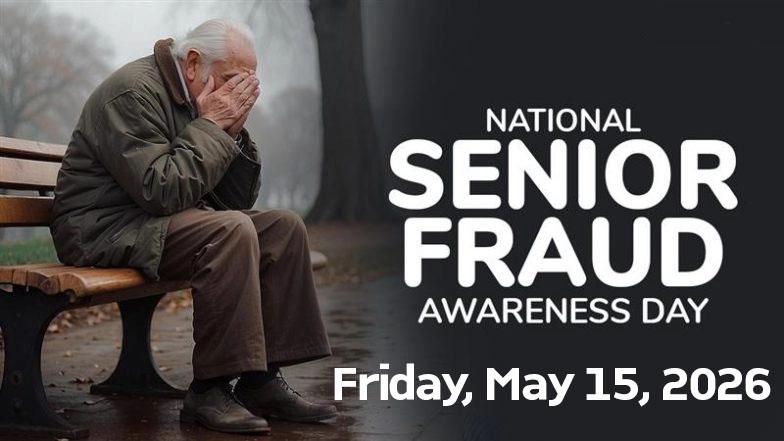
National Senior Fraud Awareness Day is observed on May 15 every year. Its objective is to raise awareness of fraudulent schemes older adults often fall prey to, as they lose approximately $36.5 billion annually due to financial fraud. Due to this alarming statistic, the U.S. Congress declared the establishment of National Senior Fraud Awareness Day to promote awareness about and improvement of methods to ensure the safety of elderly U.S. residents. National Senior Fraud Awareness Day was established in 2018 and has remained an annual occurrence.
Financial fraud is several millennia old. The first ever record of it was as far back as 300 B.C. when Greek merchant Hegestratos took out an insurance policy termed ‘bottomry,’ wherein he borrowed the money and vowed to return it with interest. The repayment was due at the delivery of the cargo he had insured. However, Hegestratos planned to sink an empty boat, keep the loan, and sell the goods without the lender finding out. His plan ultimately failed; he drowned trying to escape with his crew and passengers.
Financial fraud in the United States also happens to have a long history. In 1920, an American, Charles Ponzi, found that he could purchase postal vouchers in the U.S., ship them abroad, and make a 5% profit. That was not what he told his investors, though. Ponzi promised them a severely inflated estimate of a 50% profit return. He used the large inflow of money from newer investors to pay earlier investors and eventually fled the country. His fraud left many people shaken to their core that this type of fraud became named after him.
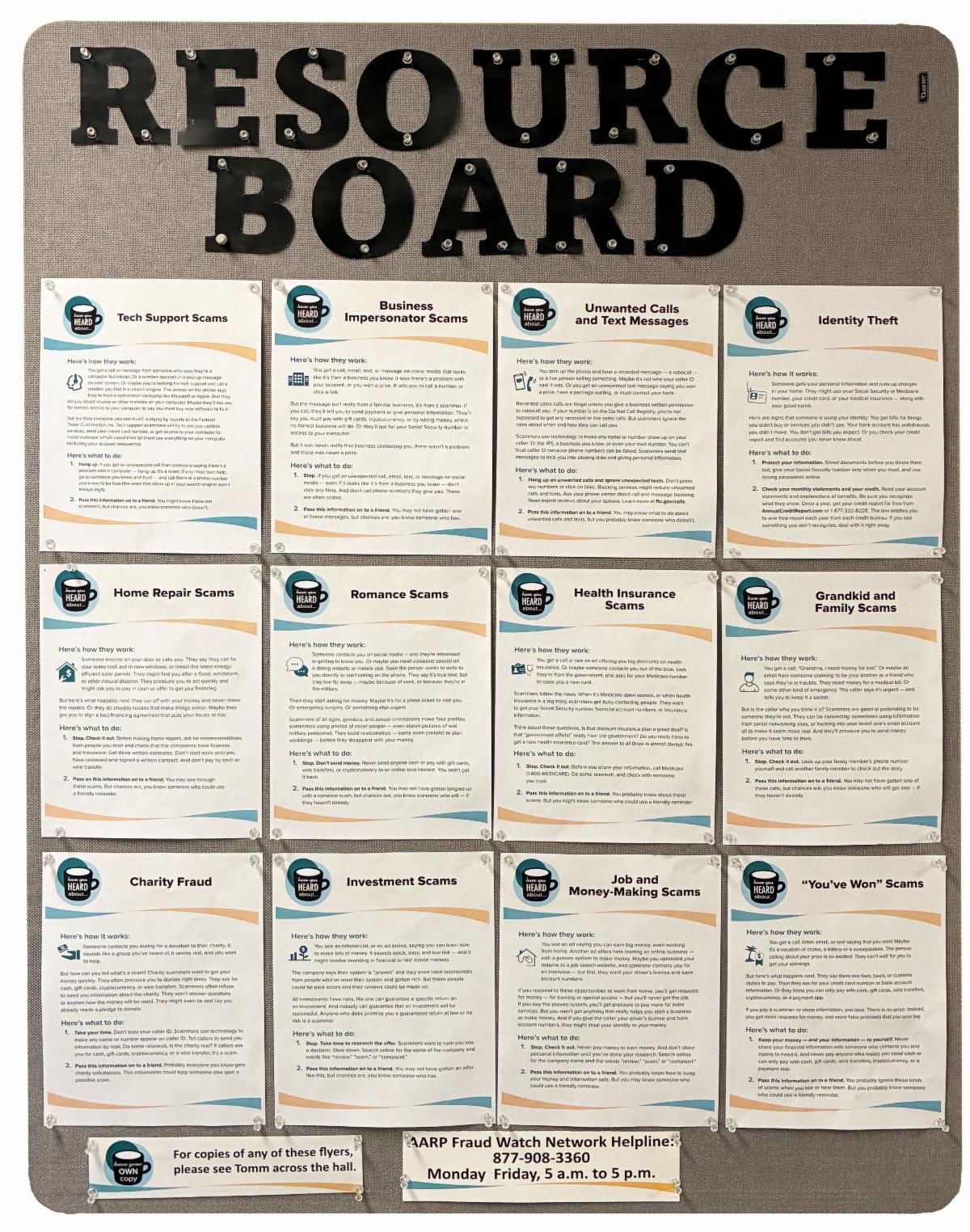
Today, senior American citizens are often most vulnerable to financial fraud, and many elderly individuals fall prey to a few common types of scams. Sometimes, they are defrauded by scammers pretending to be government agents who convince them to disclose personal details like their Social Security numbers. Other times, scammers send these older adults text messages claiming a problem with their account, be it their credit card, bank account, or something else, and have them voluntarily fill in their login details.
|